ACTIVITIES CONDUCTED
The project focused on strengthening socio-biodiversity value chains and community-based tourism among Indigenous peoples, riverine communities, and family farmers in the Negro and Xingu River Basins. Activities were carried out to strengthen the organizational capacity of supported associations, improve production, processing, commercialization, and logistics of socio-biodiversity products, and support the management of community enterprises.
By 2025, the project had directly benefited 3,987 people, including 2,789 Indigenous people and 1,908 women. It supported seven organizations that advanced their management and governance capacities, conducted 53 training and integration events, produced 11 studies, and acquired seven transportation vehicles to support socio-biodiversity value chains.
The main activities carried out under the project are presented below, organized by project component.
Project Management
Project management, monitoring, and control teams were established, and information technology equipment was acquired to support administrative activities and the monitoring of project implementation.
Cross-Cutting Component: Coordination, Communication, and Commercialization
Communication materials were developed on Traditional Agricultural Systems, the National School Feeding Program (PNAE), and the Food Acquisition Program (PAA). The project also supported participation in strategic events and the development of management tools, including the Community Business Manual and the Organizational Security Manual for Indigenous and community organizations.
Xingu Seed Network Association (ARSX)
Information technology equipment was acquired to support the management and monitoring of the native seed supply chain. The project also supported exchange initiatives, networking activities, and participation in events focused on ecological restoration and the strengthening of seed collector groups.
Xingu Indigenous Land Association (ATIX)
Infrastructure supporting honey and pepper value chains was expanded through the acquisition of a vehicle, a boat, computers, and communication equipment. The project also promoted beekeeping and stingless bee management workshops, Indigenous women's gatherings, activities related to organic honey certification, and initiatives aimed at integrating Indigenous food products into institutional markets through the PNAE and PAA programs.
Kisêdjê Indigenous Association (AIK)
The project strengthened the association’s operational capacity through the acquisition of a truck, a computer, and a printer. It also conducted financial management workshops and activities to improve administrative and commercial processes related to the pequi value chain.
Association of Residents of the Rio Iriri Extractive Reserve (AMORERI)
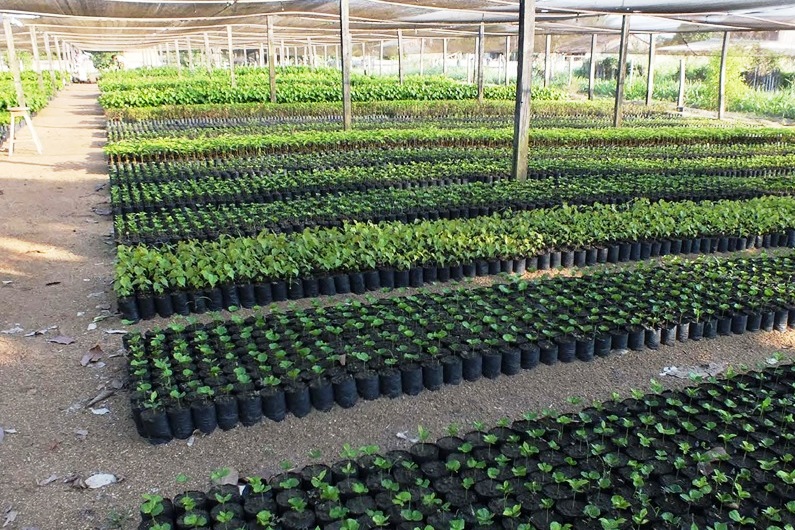
Equipment was acquired to support the production and processing of extractive products, including brush cutters, water pumps, scales, batteries for solar energy systems, and equipment for murumuru processing. The project also supported the construction of a storage facility, a seedling nursery, and a community storehouse, as well as collaborative biodiversity monitoring activities.
Yudja Mïratu Association of the Volta Grande do Xingu (AYMIX)
A Community-Based Tourism and Visitation Plan for the Paquiçamba Indigenous Territory was developed, including community consultations and activities to strengthen the management of Indigenous tourism initiatives.
Hutukara Yanomami Association (HAY)
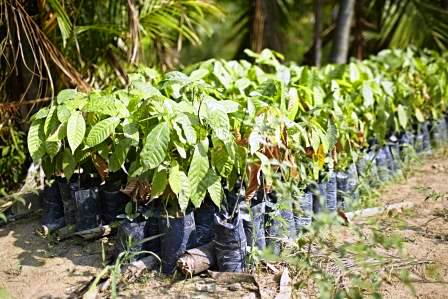
Training workshops were conducted on cacao, mushroom, and handicraft value chains. The project supported the construction of a mushroom processing unit, the distribution of toolkits, the acquisition and maintenance of transport engines, product transportation and marketing logistics, and the strengthening of community farming areas linked to the PNAE.
Federation of Indigenous Organizations of the Rio Negro (FOIRN)
The project carried out management, strategic planning, and PNAE trainer training workshops. Computers, tablets, mobile phones, cameras, motors, and a solar-powered boat were acquired to support productive activities and product transportation. In addition, photovoltaic energy systems were installed, and economic feasibility studies, business plans, and diagnostic assessments were developed to strengthen commercialization and community-based tourism initiatives.